image credit to Chicano eats
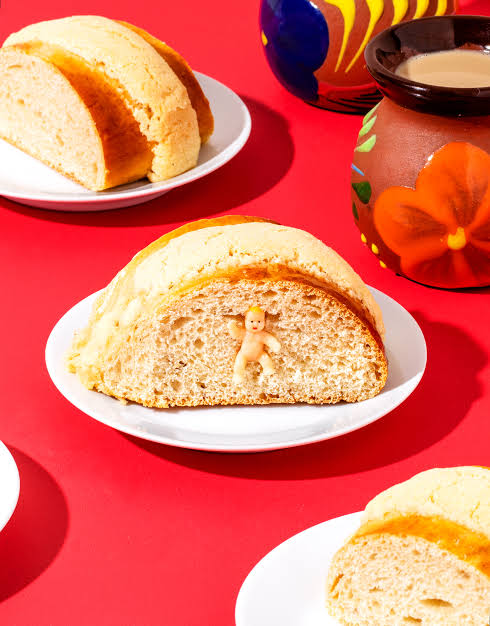
Close out the Christmas season with a sweet and culturally rich Rosca de Reyes, or King’s Ring. The Latin American staple, often baked on Jan. 6, sometimes leaves behind a divine surprise.
By: Lizzie Halloran
Soft. Orangey. Buttery.
A fresh Rosca de Reyes from the oven prompts more than a sweet and citrusy flavor.
In Mexico, it means leaving out your shoes for presents on Jan. 6, or Día de los Reyes. Or gathering with extended family around a table of hot tamales. Or cutting into a fresh, hot Rosca, praying that your piece doesn’t have the baby Jesus doll tucked inside. If it does, next year, it’s your turn to make the tamales.
Jesus Alcanzor, third-generation Mexican-born baker, helps his family run the new Papá Chuy’s bakery in Minneapolis’ Whitter neighborhood. Alongside cheesecakes in a cup and trendy Dubai chocolate conchas, Roscas de Reyes are one of Papá Chuy’s most popular items.
“Just be careful of the little babies that come inside,” Alcanzor said.
Here’s a recipe for Roscas de Reyes from Mely Martinez, author of Mexico in My Kitchen. We recommend trying this recipe over a table full of tíos, primos and good friends.
Some tips to keep in mind before planning your fiesta:
- To achieve the best rise, proof your dough in a warm environment. If Minnesota winter keeps your kitchen chilly, create a homemade proofing drawer by preheating your oven to 100 degrees for a minute, turning it off and quickly placing your dough in the warm oven.
- Don’t stress over sticky dough! Rosca dough is naturally wetter and a bit sticky. Adding too much flour will lead to a dry and crumbly Rosca. Trust the process.
Check out our latest post on @breaking.recipes. There, we walk you through each step of making a Rosca even an abuela would approve of, learn a bit about Papá Chuy’s initial struggles with federal immigration agents and answer the question of “why the heck is Jesus in my bread?!”
¡Salud!